
Introduction
When people think about military power, they often picture weapons, armoured vehicles, and highly trained soldiers. But behind the scenes is a remarkable group of four-legged service members – military working dogs. These canine heroes play vital roles in explosive detection, search and rescue, patrol, and protection. Their courage, loyalty, and sharp instincts make them indispensable to armed forces around the world.
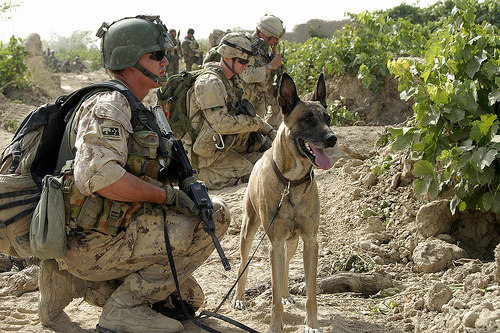
Military working dogs undergo rigorous training, but so do their human counterparts. Military dog handler training ensures that handlers can effectively communicate with their dogs, manage them in high-stress environments, and operate as a unified team across various military missions.
There are a variety of dogs suitable for military service, and below, we outline the most trusted breeds and what makes them so effective in the field. While training methods vary by breed and mission type, their core obedience often begins with foundational behaviour skills. For dog owners interested in better discipline and communication at home, a comprehensive dog training guide offers structured steps to reinforce commands and build a stronger bond with your companion.
German Shepherd: Loyal, Smart, and Ready for Anything
The German Shepherd has a long and distinguished history in military service. Recognised globally as one of the most reliable working breeds, German Shepherds were deployed in both World Wars and continue to serve today.
These dogs are fast learners, capable of mastering complex commands and remaining calm under pressure. Their strength, agility, and keen instincts make them ideal for a variety of roles – from base patrol to explosive detection and personnel tracking.
Most importantly, they form powerful bonds with their handlers, which strengthens performance in high-stress environments.
Belgian Malinois: The Special Forces Favourite
When elite units like Navy SEALs require a canine partner, the Belgian Malinois is often the breed of choice. Agile, intelligent, and fiercely determined, the Malinois excels in airborne operations, suspect apprehension, and combat scenarios.
Their drive and work ethic are unmatched. Whether leaping from aircraft or tracking targets in rugged terrain, Malinois dogs thrive in high-pressure conditions where speed and precision are critical.

Labrador Retriever: Calm and Life-Saving
Though not your typical military dog, the Labrador Retriever is a life-saving asset. Their calm temperament, keen sense of smell, and friendly appearance make them ideal for bomb detection and search and rescue missions.
Labradors are often deployed to detect explosives, narcotics, or missing persons. However, their capabilities extend beyond traditional uses. Some are trained to locate hidden cash in smuggling operations through specialised programmes like the Currency Detection Dog Handler Course, expanding their role in financial crime investigations.
They also perform well in crowded public areas, and many serve in therapy programmes to support soldiers recovering from trauma.
Doberman Pinscher: Fast, Fierce, and Focused
Dobermans earned their reputation during World War II, often serving as scouts, messengers, and camp guards. Their speed, discipline, and fierce loyalty led US Marines to nickname them “devil dogs” – a title still honoured today in the “Devil Dog” legacy among military circles and canine history enthusiasts.
Today, while less common in modern deployments, they still play roles in protective services and government security units where alertness and rapid response are key.
Dutch Shepherd: Quiet, Steady, and Reliable
The Dutch Shepherd may not be as well known as its German or Belgian cousins, but it is gaining favour among military and police units. Highly obedient, intelligent, and adaptable to various environments, these dogs excel in scent detection, patrol, and search operations.
Their ability to stay calm and responsive in both hot and cold climates makes them ideal for long missions across unpredictable terrain.
Rottweiler: Strong, Calm, and Protective
Rottweilers bring brute strength and steadfast focus to any assignment. Though they may lack the speed of other breeds, they make up for it with control and resilience.
Often employed in military police or base security, Rottweilers are loyal protectors and show exceptional composure in high-stress environments when properly trained.
Boxer: Brave and Energetic
Boxers played key roles during the World Wars as messengers, scouts, and guard dogs. Their energy, intelligence, and strong connection with their handlers made them reliable and agile field partners.
While they are no longer widely used in combat, their historical contributions remain a testament to their bravery and service.gh not used in modern combat, their role in military history is well remembered.
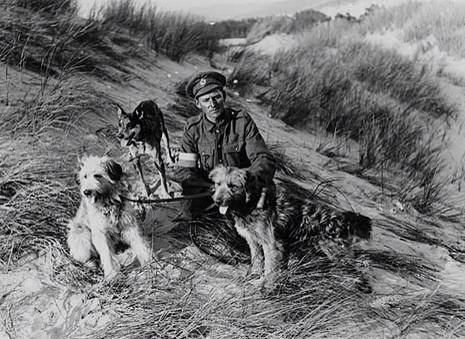
Staffordshire Bull Terrier: Compact and Courageous
Do not let their size fool you – Staffordshire Bull Terriers are compact powerhouses. They are loyal, courageous, and quick to defend their territory or team.
Though not deployed in active combat, ‘Staffies’ are often kept on military bases as personal protection dogs and valued companions for troops.
Alaskan Malamute: The Cold Climate Expert
The Alaskan Malamute is perfectly suited for Arctic missions. Built for endurance and strength, these dogs can haul heavy supplies across snow-covered landscapes.
They are ideal for supporting troops in cold-weather environments, participating in search and rescue, and transporting equipment across difficult terrain.
Which Military Dog Is the Best?
The answer depends on the mission at hand. Different breeds bring different strengths:
- If speed and agility are essential, the Belgian Malinois is often the top pick.
- For a dependable, all-round working dog, the German Shepherd remains a favorite.
- When detection work is the priority, the Labrador Retriever shines with its calm demeanor and powerful nose.
Summary
In truth, the best military dog is the one matched properly to its task, trained to a high standard, and bonded deeply with its handler. These working dogs are more than just soldiers – they are loyal partners, brave protectors, and life-savers on the battlefield.


 Boot Camp & Military Fitness Institute