
Introduction
Tactical lighting plays a vital role in tactical and military environments. Whether training at night, carrying out field operations, or supporting search-and-rescue missions, the right lighting can significantly improve safety, visibility, and communication. This guide provides an overview of the key features to look for in a tactical flashlight and offers practical tips for choosing tactical lighting equipment suitable for demanding operational conditions.

What to Look for in a Tactical Flashlight
1. Lumens & Beam Distance
High-output flashlights are essential in low-visibility conditions. Lumen ratings indicate how bright a light is, while beam distance shows how far that light will reach. For most tactical situations, a flashlight with at least 2000 lumens and a beam distance of 300 metres or more is advisable. Longer beam distances can be useful for perimeter patrols or navigation in remote terrain.
Flashlights with adjustable beam focus offer added flexibility. Users can switch between a wide floodlight for close-range work and a focused beam for scanning at a distance. Some operations, such as urban patrols or confined space entry, may require shorter beam distances but greater flood coverage to illuminate surroundings.
2. Durability & Weather Resistance
Military and field equipment must withstand challenging environments. Look for flashlights constructed from durable materials like aircraft-grade aluminium. Water resistance, typically indicated by an IPX rating (e.g. IPX6 or IPX8), ensures that your torch remains functional in wet weather or submerged conditions. Resistance to dust, drops, and impact is equally important in rugged terrain.
Tactical lighting may also be exposed to extreme temperatures. Some models are designed to operate efficiently in sub-zero or high-heat conditions without compromising performance. Rugged construction helps prevent malfunction during physically intense activities like parachute jumps or fast-roping.
3. Tactical Controls
Tactical lighting should be designed for fast, intuitive use. Features like tail switches, instant strobe modes, and memory functions can be essential when operating under pressure. Controls should be glove-friendly and allow for easy use whether the user is stationary or in motion.
A momentary-on switch can be vital during patrols or when a temporary burst of light is needed without a full click activation. Programmable user interfaces allow personnel to set up light behaviour based on mission needs, such as defaulting to low mode when stealth is needed.
4. Battery Life & Charging Options
Long battery life is critical for extended missions. Rechargeable batteries with USB-C or magnetic charging systems provide convenience in the field. Some users may prefer models with removable batteries that allow quick swaps without waiting for a charge, especially in remote deployments.
Some tactical lighting can accept multiple battery types in addition to rechargeable lithium-ion batteries, offering greater flexibility in resupply scenarios. Models with built-in battery level indicators or low-power alerts can prevent critical failure during high-stakes operations.
5. Mounting & Compatibility
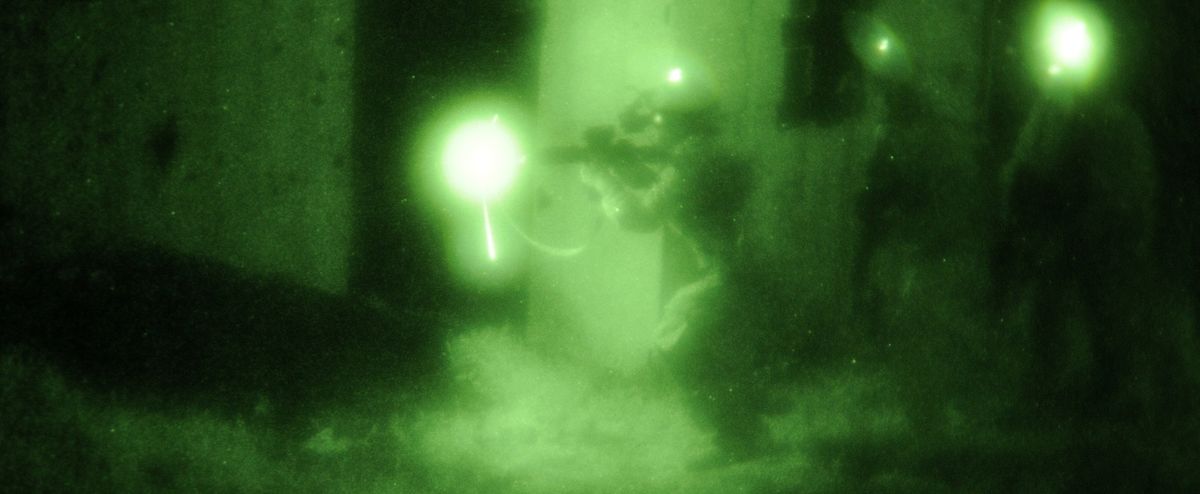
Mounting options increase the versatility of tactical lighting. Some models are compatible with firearm rails or helmet mounts, freeing up the user’s hands for other tasks. Tactical rings, angled holsters, and flashlight holders make carrying or accessing the light easier in different operational settings. Signal tail caps or multi-function mounts can enhance situational awareness or team coordination.
Flashlights compatible with pressure switches allow seamless integration with weapon systems. Helmet-mounted lights provide direct line-of-sight illumination, which is ideal for navigation or map reading during night operations. The ability to transition from handheld to mounted use without changing gear can be critical during dynamic engagements.
Night Operations: Best Practices for Tactical Lighting
| Use red light modes | To preserve night vision and reduce visibility to others. |
| Strobe settings | Can be useful for non-verbal communication or for momentarily disorienting threats. |
| Carry spare batteries or backup lights | To avoid complete loss of illumination in critical situations. |
| Avoid using white light unnecessarily | Especially when stealth is required. Beam diffusers or filters can help soften or direct the light. |
| Secure your flashlight using clips or MOLLE-compatible holsters | Ensuring it can be quickly accessed or removed. |
In multi-team operations, specific light patterns or colours may be used to identify unit members or signal tactical movements. Regularly practicing these protocols ensures seamless coordination when deployed.
Lighting in Training and Simulation Environments
Training drills often simulate real-life operations. Tactical lighting with multiple brightness levels and programmable settings can mimic combat or emergency conditions. Simulated low-light and no-light conditions help personnel learn how to maintain awareness and manage gear transitions in the dark. Instructors may use signal-capable lights to coordinate units or test trainee response times under stress.
In structured training environments, tactical lighting may also help designate instructors or team leaders and signal changes in training phases. Learning to operate tactical lights under pressure – alongside weapons, radios, and other gear – should be considered part of recruits’ foundational training.
Exercises such as room clearing, low-light engagement drills, and tactical communications with visual signals are essential for developing confidence and competence. Trainees benefit from understanding how to manipulate light direction, adjust intensity, and use beam patterns to their advantage.
Considerations for Recruits and First-Time Users
For those new to tactical lighting, here are a few key points to consider:
- Start with a mid-range flashlight with strobe, variable brightness, and rechargeable power.
- Practice handling your flashlight in gloves and different postures (e.g., kneeling, lying prone, in motion).
- Understand your environment. Field operations in forests, deserts, or urban areas will influence the best beam pattern and durability features.
- Use tactical flashlights in drills to build familiarity. Confidence in using your light is just as important as the specs on the box.
It is also useful to understand your tactical lighting’s limitations. Knowing when to use low brightness to avoid detection or how to switch quickly to high output in emergencies can improve mission safety. Awareness of run-time limitations and recharge schedules can also prevent critical outages.
Summary
Tactical lighting is more than just a tool for visibility – it is essential as a component of modern military and field gear. The right tactical lighting can provide clarity during night operations, assist in team coordination, and enhance training simulations. When selecting a tactical flashlight, consider where and how it will be used, and focus on features supporting mission effectiveness and durability.
Whether you are just beginning your training or have years of experience, understanding the operational benefits and limitations of tactical lighting is key to maintaining the upper hand in low-light conditions. Effective lighting is a crucial component of readiness, from search-and-rescue to stealth movement.
By understanding these essential elements, recruits and experienced professionals can make better decisions about the tactical lighting equipment they rely on in the field.


 Boot Camp & Military Fitness Institute
One thought on “A Guide to Tactical Lighting for Military and Field Operations”