
Introduction
Combat situations demand a unique blend of strength, agility, endurance, and mental resilience. Whether in military service, law enforcement, or tactical professions, individuals must be prepared for unpredictable, high-stakes scenarios that require peak physical conditioning.
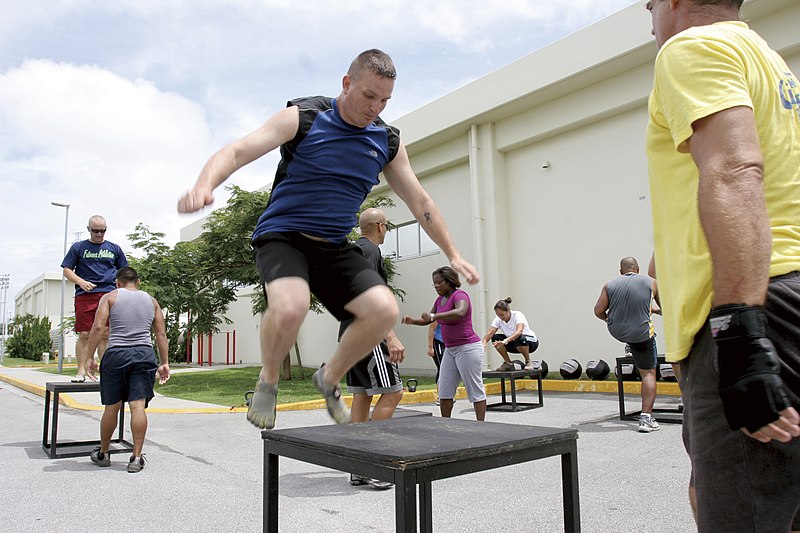
Functional strength training develops real-world movement patterns that mimic battlefield demands. Unlike traditional bodybuilding, which focuses on isolated muscles, this approach builds power through compound, multi-joint exercises that translate directly to tactical performance. If you are residing in Atlanta, GA, local facilities can help you with combat readiness through specialised strength and conditioning.
Below is a brief outline of how you can hone your strength and prepare for battlefield challenges.
What Is Functional Strength Training?
Functional strength training focuses on movement efficiency rather than just muscle growth. It incorporates compound exercises that mimic real-life physical demands, such as lifting, carrying, jumping, and striking. These movements are essential for soldiers, first responders, and tactical athletes who rely on explosive power, agility, and endurance in unpredictable environments.
Unlike traditional endurance training, functional workouts emphasize strength, power, and adaptability over prolonged aerobic conditioning. This makes it ideal for battlefield scenarios where short bursts of intense effort are often required.
Building Strength and Skills at a Professional Fitness Facility
Military training is not just about brute strength. It is about being battle-ready through a combination of tactical conditioning and functional strength development. In Atlanta, GA, specialised gyms provide structured training programmes tailored for individuals seeking to improve their combat readiness and self-defence capabilities.
Many such facilities offer programmes combining strength and high-intensity functional training with combat sports, including boxing, kickboxing, and martial arts. These disciplines develop explosive power, endurance, and agility. These are key attributes for any soldier or tactical professional. Strength-focused sessions integrate sled pushes, sandbag carries, and tire flips, reinforcing real-world applications of battlefield movements.
Within this dynamic training environment, individuals can find an Atlanta boxing gym that offers a functional strength approach combined with combat-focused drills. This creates a holistic training routine that enhances tactical fitness, mental discipline, and physical resilience.
Developing Core Strength for Tactical Stability
A strong core is essential for balance, posture, and power generation. In battlefield scenarios, every movement, whether carrying heavy gear, dragging an injured teammate, or sprinting under load, relies on core engagement.
Core-focused functional training may include:
- Loaded Carries: Farmer’s walks and sandbag carries improve grip, posture, and endurance under weight.
- Rotational Strength Exercises: Woodchoppers, Russian twists, and landmine presses develop torso rotation and strike power.
- Dynamic Core Training: Medicine ball slams and hanging leg raises train the midsection for explosive force.
Unlike traditional ab workouts, functional core training improves practical strength, allowing individuals to generate power when lifting, throwing, or sprinting in unpredictable environments.

HIFT: Enhancing Strength, Speed, and Adaptability
High-Intensity Functional Training (HIFT) integrates aerobic and resistance-based elements while keeping a focus on functional movement patterns. Unlike conventional endurance training, HIFT is designed to improve power output, speed, and adaptability, making it particularly effective for military personnel and first responders.
HIFT routines may include:
- Sandbag and Kettlebell Drills: Lifting, carrying, and throwing sandbags train dynamic strength and grip endurance.
- Plyometric Exercises: Box jumps and explosive push-ups build fast-twitch muscle fibres for rapid movement.
- Interval-Based Workouts: Sled pushes and weighted sprint drills develop quick-burst power needed in combat settings.
HIFT is particularly beneficial because it mirrors battlefield stressors, conditioning individuals to operate effectively under fatigue and high-pressure situations.
Agility and Mobility: Essential for Battlefield Movement
Manoeuvring quickly through uneven terrain, reacting to threats, and dodging obstacles require agility and mobility. Unlike static strength training, functional workouts develop joint stability, flexibility, and speed, which are crucial for avoiding injuries and maintaining peak performance in combat environments.
Key agility and mobility drills may include:
- Shuttle Runs and Cone Drills: Enhance quick directional changes and reaction time.
- Bear Crawls and Lateral Sled Drags: Build coordination, endurance, and functional flexibility.
- Jump Rope and Footwork Drills: Improve cardiovascular efficiency and movement precision.
By prioritising fluid movement and dynamic strength, these exercises prepare individuals for high-intensity combat scenarios where speed and adaptability are critical.
Injury Prevention: Strengthening Joints and Ligaments
The rigors of military training put immense strain on the body. Strengthening muscles, tendons, and ligaments reduces the risk of injuries while increasing durability in combat situations.
Preventative functional exercises may include:
- Joint Stability Training: Balance exercises and resistance band work to protect knees, ankles, and shoulders.
- Mobility Drills: Active stretching and foam rolling promote joint health and flexibility.
- Load Management Strategies: Gradual resistance increases help build strength while minimising overuse injuries.
Developing structural resilience ensures that individuals remain operationally ready without unnecessary downtime due to preventable injuries.
Tactical Endurance: Sustaining Strength Under Pressure
Endurance in a battlefield setting is different from long-distance running. It requires the ability to repeatedly exert force while under fatigue. It is a quality built through high-intensity functional training combined with strength-based conditioning.
Tactical endurance training may focus on:
- Work-to-Rest Ratios: Short bursts of high-intensity work with limited recovery time simulate combat stress conditions.
- Load-Bearing Drills: Rucking (weighted backpack carries) strengthens back and leg endurance for prolonged missions.
- Combat-Specific Conditioning: Strike drills, dummy drags, and obstacle courses replicate real-life operational demands.
This form of endurance ensures that soldiers and tactical athletes maintain optimal performance even when physically drained.
Close-Quarters Combat (CQC) Strength and Conditioning
Engaging in hand-to-hand combat or urban warfare requires explosive strength, rapid reaction time, and the ability to absorb and deliver force efficiently. Functional training enhances CQC-specific movements, making soldiers and law enforcement officers more effective in high-intensity engagements.
Key exercises can include:
- Heavy Bag Work and Boxing Drills: Develops punching power, shoulder endurance, and cardiovascular conditioning.
- Sledgehammer Slams: Simulates weapon handling, striking force, and grip endurance.
- Wrestling Drills and Grappling-Based Strength Training: Builds isometric and rotational strength necessary for controlling an opponent.
- Explosive Medicine Ball Throws: Enhances torso rotation and quick-strike capability for effective CQC engagements.
By focusing on agility, striking force, and rapid movement, this type of training ensures individuals are prepared for unpredictable, close-range conflicts.
Summary
Functional strength training is not just about building muscle, it is about preparing the body for real-world combat demands. Unlike traditional fitness programmes, it develops practical power, agility, and resilience, ensuring that individuals can handle the physical and mental stress of battle.
Specialised combat-ready training programmes provide structured coaching, high-intensity functional drills, and strength development tailored for tactical performance. With the right approach, individuals can condition their bodies for high-pressure situations, improving their ability to react, engage, and endure in any operational environment.


 Boot Camp & Military Fitness Institute