
Introduction
Transitioning from active military service to civilian life poses significant challenges for veterans, particularly when adapting their training routines. The structured environment of the military, with its emphasis on physical readiness, often contrasts sharply with civilian life, where the impetus to maintain fitness may wane. However, sustaining physical fitness remains vital for veterans. It helps mitigate the mental and physical health issues that can arise post-service, such as anxiety, depression, and cardiovascular problems. Moreover, maintaining fitness offers a sense of discipline and routine, crucial elements that can ease the transition and foster overall well-being.
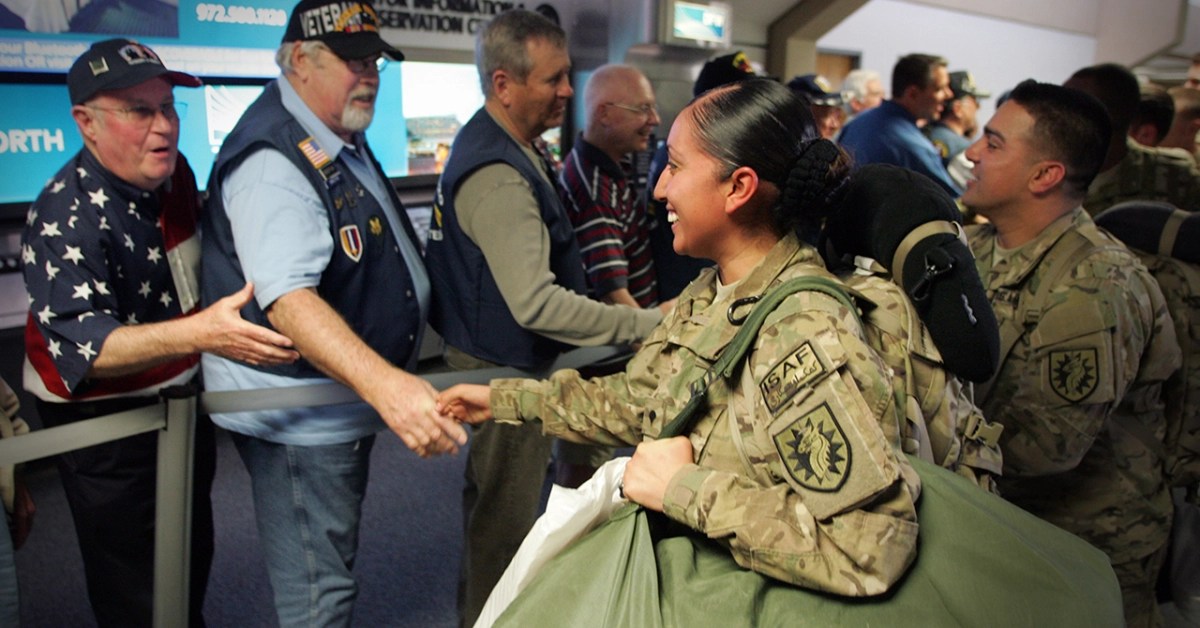
This article will explore strategies to help veterans adapt their military fitness training for post-service life and what role healthcare workers play in it.
Role of Healthcare Workers in Supporting Veterans’ Post-Service Fitness
Veterans often face considerable difficulties when shifting from military service to civilian life, particularly in adjusting their training routines and sustaining physical fitness. The military’s structured and disciplined approach to physical readiness stands in stark contrast to the more flexible nature of civilian life. In these circumstances, healthcare workers are essential in helping veterans maintain a focus on their physical and mental health during this transition.
Promoting the Importance of Physical Fitness
Healthcare workers are instrumental in emphasising the continued importance of physical fitness for veterans. Regular exercise is essential not only for physical health but also for mental well-being. It helps mitigate issues such as anxiety, depression, and stress, which are common among those transitioning out of the military. Physical fitness also plays a role in social integration, as it can encourage veterans to join community fitness groups or participate in recreational sports. In promoting these benefits, healthcare professionals address the immediate physical needs of veterans while contributing to their long-term quality of life.
Providing Personalised Fitness and Wellness Plans
Veterans often face unique physical and mental health challenges due to their service. Healthcare workers can assess individual needs and create customised programmes that address specific concerns, such as injury rehabilitation, stress management, and chronic pain. These personalised plans make it possible for veterans to safely and effectively maintain their fitness levels.
The Role of Nurses
Nurses also play a pivotal role in supporting veterans as they transition to civilian life. Their unique position within healthcare allows them to interact closely with veterans, offering both clinical care and emotional support. They conduct initial health assessments to identify any physical or mental health issues that may require attention. Educating veterans about the importance of regular exercise and a healthy lifestyle is also an essential role of nurses. Nurses can link veterans to community resources, like fitness groups or support networks specifically for veterans, which helps them remain socially connected and actively involved.
Given the dynamic nature of their work, upskilling becomes essential for nurses to remain abreast of new medical technologies, treatments, and protocols emerging regularly. Nurses with a BSN are better prepared to guide veterans in maintaining their fitness and overall health. They can also help veterans transition smoothly into post-service life. For those interested in pursuing this career path, an accelerated BSN degree online offers a flexible option to gain the necessary qualifications while managing other commitments. This online route allows aspiring nurses to balance their studies with personal and professional responsibilities.
Strategies
Now that we have discussed the role of healthcare workers in helping veterans adapt training to post-service life we can explore some strategies to achieve this.
Adapting Military Training for Civilian Life
A 2024 survey of 4,910 veterans, commissioned by the Royal College of GPs (RCGP) in collaboration with the Office for Veterans’ Affairs (OVA), revealed that 55% have encountered a health issue potentially linked to their military service after leaving the armed forces. More than 80% of those surveyed reported that their condition had deteriorated since transitioning to civilian life.
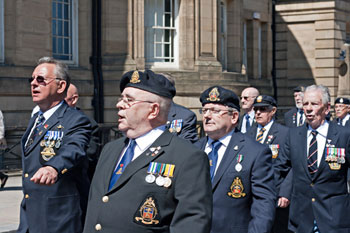
Adapting military training routines to fit a civilian lifestyle is a crucial step for veterans who want to maintain their fitness after service. Military training is often intense and disciplined, designed to build endurance, strength, and mental toughness. However, once veterans leave the military, their daily lives may no longer require the same level of physical exertion. Adjusting the intensity and frequency of workouts is essential to prevent injuries and ensure that the training is sustainable in the long term. Veterans need to focus on creating a fitness routine that promotes overall health while considering their current physical condition and lifestyle.
Incorporating a variety of exercises into their routine can help veterans stay engaged and motivated. While maintaining strength and endurance is important, adding flexibility, balance, and cardiovascular exercises can create a more well-rounded fitness programme.
Most importantly, veterans should consider their life stage and any physical limitations they may have developed since leaving the military.
Incorporating Mental Health into Fitness Routines
Between 2021 and 2022, 12.5% of UK armed forces personnel received military healthcare for a mental health-related issue. This statistic highlights the cruciality of maintaining mental well-being post-service.
Integrating mental health practices into fitness routines can help veterans manage these challenges more effectively. Activities such as mindfulness, meditation, and stress management techniques complement physical exercise by promoting relaxation, reducing anxiety, and improving emotional resilience.
Veterans can benefit from incorporating these practices alongside their physical training to create a holistic approach to health. For example, a workout could begin with a few minutes of mindfulness to set a focused and calm mindset, followed by physical exercise, and end with a meditation session to cool down both body and mind.
Nutrition and Recovery for Veterans
Proper nutrition and recovery are key components of maintaining fitness for veterans, especially as they transition to civilian life. During their military service, veterans may have followed strict dietary guidelines and had access to structured recovery protocols. However, after leaving the military, these routines often change, and veterans need to adapt their nutrition and recovery practices to suit their new lifestyles.
A balanced diet that provides the necessary nutrients is essential for sustaining energy levels, supporting muscle maintenance, and promoting overall health. Veterans should focus on a diet rich in lean proteins, whole grains, fruits, and vegetables so they get the vitamins and minerals needed for optimal physical function.
Recovery is as important as nutrition in maintaining long-term fitness. After intense physical activity, the body needs time to repair and strengthen muscles. Veterans should prioritise rest and recovery by incorporating adequate sleep, hydration, and stretching into their routines. Regularly scheduled rest days are also crucial to prevent overtraining and reduce the risk of injury. On top of that, veterans can benefit from recovery aids such as foam rollers, massage therapy, and low-impact activities like swimming or yoga to enhance their recovery process.
Building a Support Network for Fitness and Health
For veterans, building a strong support network is essential to staying motivated and maintaining a healthy lifestyle after military service. While in the military, camaraderie and teamwork are integral parts of daily life, and these connections can continue to play a crucial role in a veteran’s fitness journey. Engaging with a community of like-minded individuals can provide the encouragement and accountability needed to stick to a fitness routine. This support network can include family, friends, healthcare providers, and fellow veterans who understand the unique challenges of transitioning to civilian life.
Veterans can also benefit from joining fitness groups or clubs specifically tailored to their needs. Many communities offer veteran-focused fitness programmes that provide a sense of belonging and mutual support. These groups often organise activities such as group workouts, outdoor adventures, and fitness challenges, which can help veterans stay active and connected. Additionally, participating in local events, such as charity runs or community sports leagues, can further enhance a veteran’s fitness journey while fostering social connections.
Integrating Physical and Mental Wellness
For veterans, achieving long-term health and wellness requires a holistic approach that integrates both physical and mental fitness. While physical exercise is crucial, mental health is equally important in ensuring overall well-being. Veterans may face unique challenges in post-service life, such as adjusting to a new identity, coping with the loss of military camaraderie, and dealing with service-related injuries or trauma. Integrating mental wellness practices into their daily routines can help veterans manage these challenges more effectively and maintain a balanced lifestyle.
One way to integrate physical and mental wellness is through activities that promote both physical fitness and mental clarity. For example, practices like yoga and tai chi offer benefits for both the body and mind, combining physical movement with mindfulness and stress reduction techniques. These activities can help veterans build strength, flexibility, and balance while also providing a calming and meditative experience. Additionally, setting aside time for regular mental health check-ins, whether through self-reflection, therapy, or peer support, can help veterans stay on top of their emotional well-being.
Summary
Adapting military fitness for post-service life is essential for veterans to maintain their health and well-being. These strategies help them stay physically fit and mentally strong, which, in turn, leads to a healthier, more fulfilling life after service.


 Boot Camp & Military Fitness Institute