
Introduction
Cycling is about the power and endurance a rider can harness and sustain. Thus, whether aiming to crush personal records, dominate in races, or enjoy longer rides with less fatigue, targeted workouts are essential.
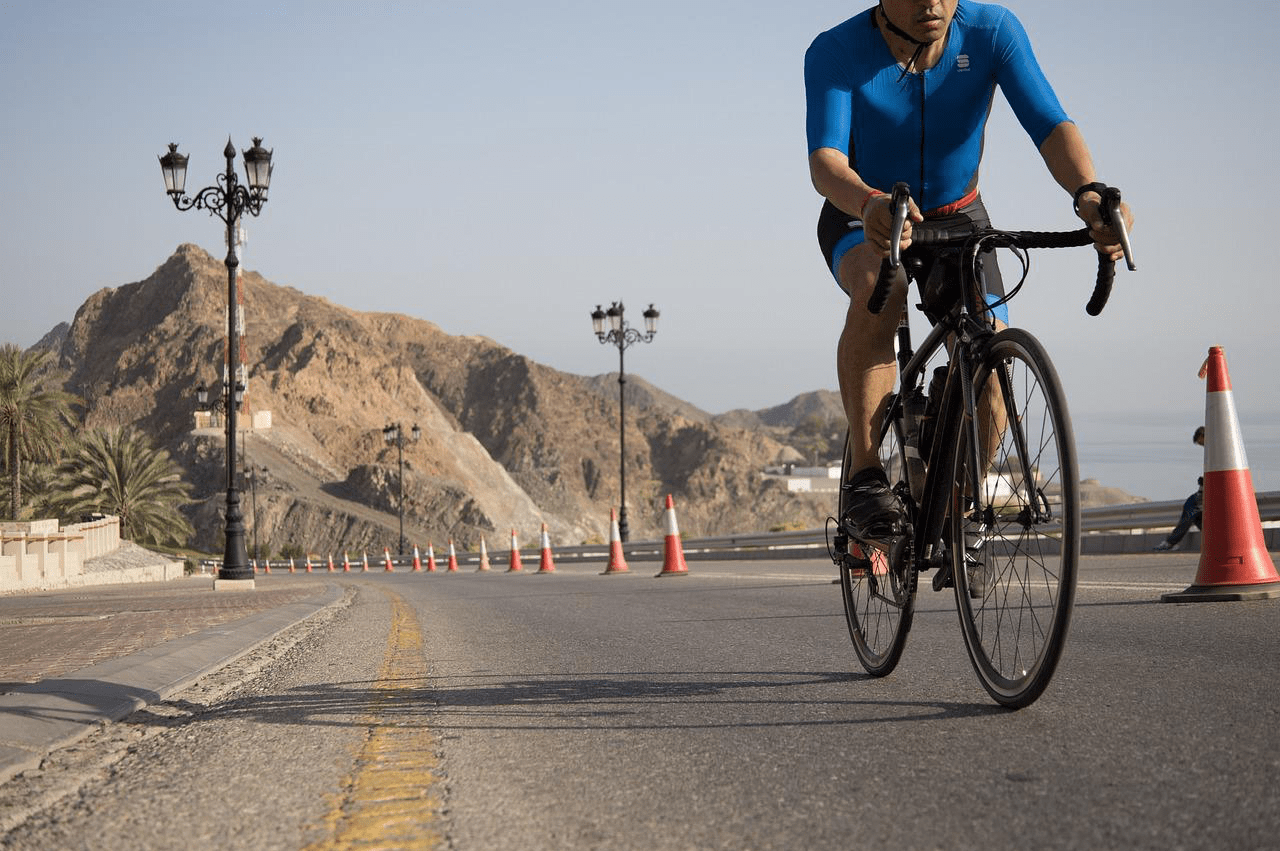
This article explores cycling-specific workouts to boost endurance, enhance speed, and improve overall fitness.
Effective Workouts for Cyclists
To improve your cycling experience, the first thing to do is evaluate your gear. Does your gear enhance performance, ensure safety, and increase comfort? Such gear would include essentials like a well-fitted helmet, appropriate footwear, padded shorts for comfort, gloves for grip and protection, and eye gear to shield against debris and UV rays.
The bicycle must suit the specific demands of your cycling style. For example, bikes designed by triathletes for triathletes have the speed, aerodynamics, and efficiency for long distances. Once you have that under control, elevate your cycling game with the following workouts:
Endurance Training
At its core, endurance training involves long, steady rides that help you increase your stamina and improve your ability to sustain effort over extended periods. These rides help you maintain a consistent, moderate effort that builds your aerobic base. As such, you enhance your ability to utilise oxygen and fuel during long rides, effectively increasing the distance and duration you can handle without fatigue.
Incorporating such workouts involves starting with shorter distances and gradually increasing the mileage as the body adapts.
Furthermore, endurance training improves metabolic efficiency, teaching your body to burn fat as a primary fuel source over carbohydrates, which is vital for long-duration activities.
High-Intensity Interval Training (HIIT)
Unlike endurance training, which focuses on sustained, moderate efforts, HIIT involves short bursts of intense activity followed by rest or low-intensity exercise. This method is highly efficient in improving both aerobic and anaerobic fitness, crucial for the quick bursts of speed triathletes need.
Your HIIT sessions might include exercises like Tabata intervals. These entail 20 seconds of all-out effort followed by 10 seconds of rest, repeated multiple times.
Climbing Workouts
A typical climbing workout may include structured hill repeats, where cyclists repeatedly ascend a hill at a challenging pace before descending to recover. This training builds muscular endurance and improves power output, as pushing pedals up a gradient requires more force than flat terrain cycling.
In addition to outdoor hill work, try indoor simulated climbing sessions using a smart trainer. It is advantageous, as it connects to a triathlon-specific bike and can adjust resistance automatically. The smart trainer mimics various climbing scenarios through cycling apps, creating a realistic and targeted training environment.
To set up, securely attach your bike to the smart trainer according to the manufacturer’s guidelines. If you are using a stationary bike instead, ensure the seat and handlebars are adjusted for optimal fit and comfort, replicating your race-day setup.
Start your session with a warm-up at low resistance to get your muscles ready. Then, progressively increase the resistance to simulate different grades of climbs, which helps build the specific strength and endurance needed for hill climbing. Maintain these settings for a predetermined period or distance to simulate the sustained effort of real climbs. After the peak, reduce resistance to simulate descending or flat riding to serve as your recovery phase.
Active Recovery Rides
Schedule these rides 1 to 2 times per week, adjusting based on how intense and frequent your typical workouts are. During these rides, maintain a low intensity, about 50-60% of your maximum heart rate, allowing you to converse easily without gasping for air. The duration of these rides can vary; however, a typical session lasts between 30 and 60 minutes. This approach ensures you enhance blood flow and aid muscle recovery without imposing additional stress on your body.
Cross-Training
By engaging in activities other than cycling, you can strengthen different muscle groups, improve cardiovascular fitness, and increase flexibility, all of which contribute to better cycling performance.
For example, strength training focuses on building core strength and stability to maintain proper cycling posture and efficiency during rides. Hence, exercises like squats, deadlifts, and planks enhance the power in the legs and core.
Additionally, incorporating swimming and running into a training program can benefit your cardiovascular system, build bone density, and improve endurance.
Summary
Improving your cycling performance extends far beyond the repetitive motion of pedalling. It encompasses a holistic approach that includes endurance training to build a solid aerobic base, high-intensity intervals to boost speed and power, specialised climbing workouts to master ascents, and essential recovery techniques to sustain long-term progress.
Additionally, incorporating cross-training into your routine can diversify your fitness regimen and fortify your body against the physical demands of cycling.


 Boot Camp & Military Fitness Institute