
Introduction
Efficiency is not just a buzzword in military healthcare environments, it is a lifeline. For the wounded warrior, recovery time is mission-critical. The less time soldiers spend navigating convoluted physical therapy billing and recovery processes, the faster they return to full strength.
Streamlining these systems is paramount, and yet, it presents its own set of unique hurdles. Caregivers often wrestle with complex administrative tasks that can divert focus from patient care. Below is a range of effective strategies to bridge the gap between meticulous care and administrative efficiency within these settings.
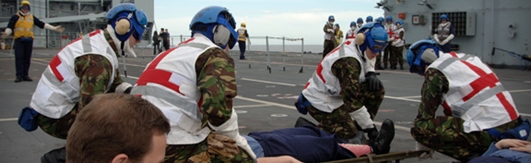
Mission Readiness: Focusing on Proactive Patient Engagement
The responsibility of a caregiver extends beyond treatment and into proactive engagement with the patient. In military settings, where morale is tightly intertwined with recovery, active communication strategies are not just helpful – they are essential. This is particularly true where physical injuries overlap with the treatment of mental health issues.
Implementing a patient-centric model creates an environment where warriors feel their recovery is as much a mission as their service. This begins with transparent dialogue about therapy goals and billing procedures, empowering them to take charge of their healing journey. Simple steps like sending automated appointment reminders or updates on billing statuses can significantly reduce no-show rates and foster trust.
Furthermore, incorporating feedback mechanisms allows patients to voice concerns or suggestions about their care. Using this information to adjust protocols demonstrates respect for the individual’s role in the process and leads to continuous improvement of services.
Proactivity must also permeate staff interactions with regulatory bodies in the Military Health System. By keeping abreast of changes in military healthcare policies, caregivers can anticipate shifts that impact billing and recovery protocols, thus ensuring compliance while maintaining patient focus.
The objective is clear: create an ecosystem where administrative efficiency and patient advocacy operate in concert, advancing both recovery outcomes and systemic effectiveness.
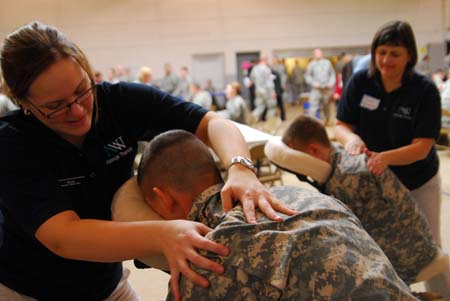
Cutting Through the Red Tape: Optimising Administrative Workflows
In any military operation, strategy is key; the same applies to managing physical therapy billing and the recovery process. The labyrinth of paperwork and policies can be daunting, but optimizing administrative workflows is essential in keeping the focus on patient outcomes.
A significant first step is harnessing the power of technology to automate routine tasks. Implementing specialised physical therapy billing software tailored for modern healthcare environments can drastically reduce manual data entry, thereby minimising errors and freeing up valuable time for direct patient care.
Additionally, cross-training staff creates a versatile workforce capable of handling various aspects of the billing cycle without bottleneck situations. When each team member understands multiple facets of the process, delays are less likely during staff rotations or periods of high demand. This approach also fosters better communication within teams as there’s a shared understanding of what needs to be done.
So how do we initiate these improvements? Begin with a comprehensive audit of your current systems and identify areas where technology can make an immediate impact. Engage with frontline providers to understand their pain points; often, they hold key insights into which processes are ripe for renovation.
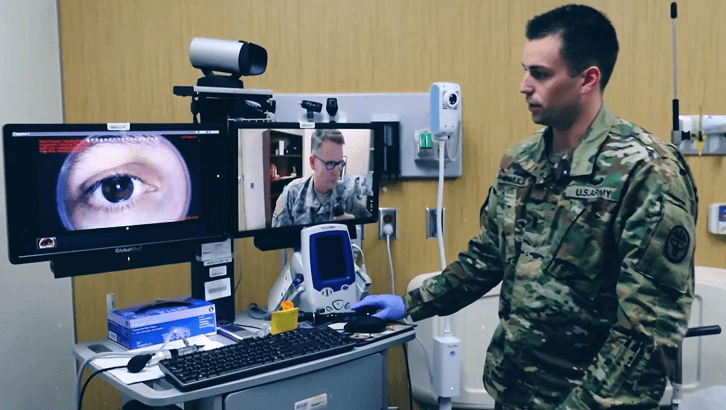
Recovery Task Force: Assembling a Multidisciplinary Approach
In military healthcare, every member of the team is critical to mission success. When it comes to physical recovery, this means embracing a multidisciplinary approach that brings together various experts from the medical and administrative fields. By forming a ‘Recovery Task Force’, consisting of physical therapists, nurses, billing specialists, and case managers, a dynamic front is established that can address all aspects of the healing process.
This task force should meet regularly to coordinate care plans and assess progress from both medical and administrative perspectives. They analyse recovery trajectories against standard benchmarks and adjust treatment protocols as needed. This goes above and beyond basic recovery processes. On the administrative side, they ensure that billing cycles are synchronised with patient treatment milestones for seamless processing.
Training sessions for these cross-functional teams keep everyone updated on best practices in patient care and regulatory updates affecting billing or data management. The transparency across departments deepens mutual understanding, shaping an agile unit that responds effectively to any challenge faced by recovering service members.
Moreover, creating specialised roles within this task force allows for concentrated expertise in areas such as coding compliance or insurance liaison duties. Such specialisation ensures high levels of competence in complex areas while maintaining an integrated team approach to recovery management.
Summary
In short, the backbone of enhanced military healthcare recovery lies in meticulously refined processes where technology, proactive engagement, and a unified multidisciplinary team align. Together, they form an indomitable force, ensuring that our service members receive not just care but a committed alliance on their journey to full health and readiness.


 Boot Camp & Military Fitness Institute