
Introduction
Every year thousands of civilians elect to join the United States Armed Forces and pursue a military career. For many, once their military career comes to an end, they will leave with great experiences, a little wiser (hopefully), be a little older, and their transition will be relatively easy. However, for some veterans the transition back to civilian life can be an emotionally and physically challenging experience.
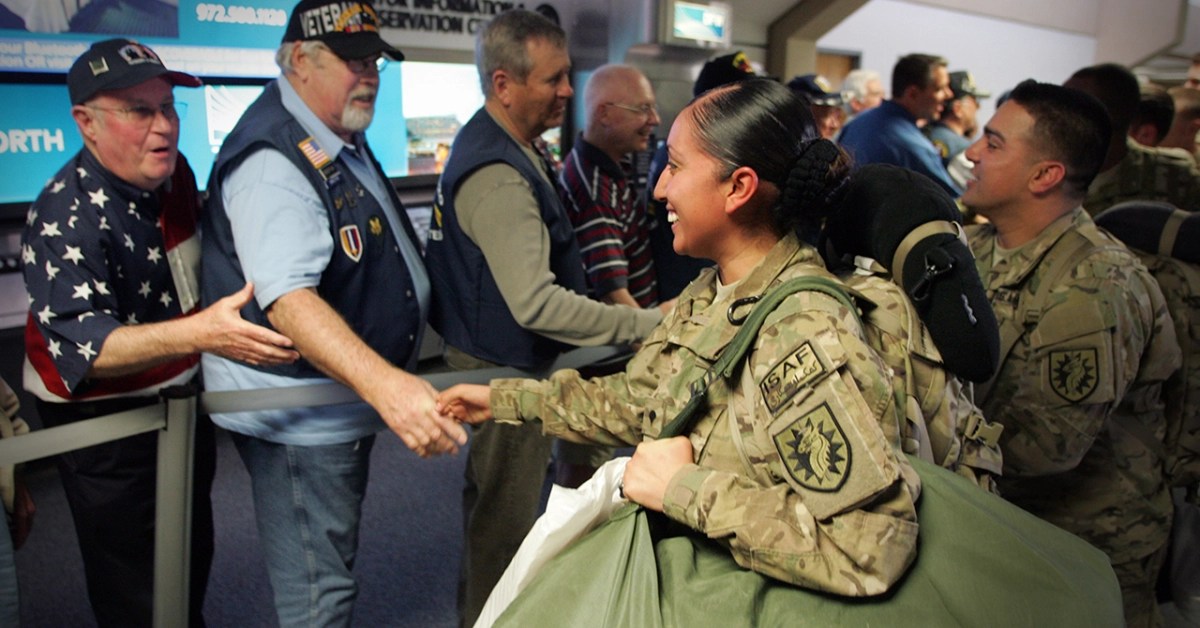
Although you may have concerns about re-acclimating with civil society, one major obstacle can be your health. On occasion, military service can result in an injury or illness that impacts you for the rest of your life. Perhaps you had this condition before your service, but it was mild enough to have little impact on your life. Now, as you return to civilian life, that condition has worsened or you have acquired a new disability because of your time in the military.
Many struggles may come your way as a veteran, but financial hardship because of your condition should not be one of them. For this reason, the Department of Veterans Affairs (VA) has disability benefits that you can apply for to overcome these financial difficulties.
What Are VA Disability Benefits?
If you file a VA claim and are approved, then you will receive monthly tax-free payments. In 2024, those payments will fall somewhere between $171.23 and $4,433.39. The amount you receive depends on your disability rating. This is a percentage assigned to you based on how impactful the disability is on your life. The greater your hardship, the closer the rating will be to 100% and the more money you will receive each month.
This money can help you pay for costly medical bills and other personal expenses. The idea is that your disability may prevent you from being able to earn enough money to pay for your expenses, so these tax-free payments can help.
Applying for VA Disability Benefits
If you think you are eligible for these payments, then you need to file a VA claim. This process can take months, and typically, the longer you wait to file your claim, the lower your chance of being approved and receiving a higher disability rating. VA disability claims are very complex and the process involves a long review period and significant evidence-gathering.
The basic steps are as follows:
- First, you will gather evidence of your condition, which can include doctor’s reports, medical records, treatment history, prescriptions, medical test results, MRIs, X-rays, and other empirical data.
- You will then send in your application along with this evidence either online, through the mail, or in person at a VA office.
- The VA will then review your claim and may request further evidence or information.
- Eventually, you will receive a letter approving or rejecting your claim.
- If approved, you will receive your first payment shortly after.
- If rejected, you should consider appealing the decision.
How Do You Know If You Qualify?
This is the most complicated aspect of the process. You must be able to prove that you have a service-connected disability and that it has enough of an impact on your life to receive benefits. Your condition must meet one of three standards to qualify you for benefits:
- Your military service exacerbated a condition you had previously;
- You acquired the disability during your time in military service; and/or
- Your disability showed up after your military service and as a direct result of it.
Additionally, your eligibility for benefits may depend on the condition itself and its severity. Many veterans experience PTSD or other mental health conditions that would qualify them for disability benefits. Some of the most common physical conditions that are involved in VA claims include cancer, tinnitus, loss of range of motion, migraines, respiratory issues, hearing loss, sciatica, and painful scars.
Appealing the Decision
Even if you receive a letter rejecting your claim, all hope is not lost. There are lawyers and other resources that specialise in helping veterans get what they deserve for disability benefits. Maybe you were not sure what evidence to include in your claim. Perhaps the VA determined that your injury or illness is not service-connected. Whatever the case may be, there is an opportunity to appeal the rejection itself or to raise your disability rating if you believe it is too low.
Learn More about this Programme to Support your Needs
An injury or illness that resulted from your military service is a heavy burden to bear. The more it impacts your life, the harder it can be to manage the financial implications of being unable to work. These tax-free payments can be a huge benefit to veterans with disabilities, and you should not miss out on this valuable resource. Research the VA disability programme to figure out if you are eligible and determine the best way to start gathering evidence for your claim.


 Boot Camp & Military Fitness Institute