
Introduction
Veterans often face significant emotional and psychological challenges after their military service. The transition to civilian life can be particularly difficult for those dealing with trauma, such as post-traumatic stress disorder (PTSD), anxiety, or depression. These experiences can leave veterans feeling isolated and overwhelmed. While many veterans show great resilience, the effects of trauma can create barriers that prevent them from fully reintegrating into society.
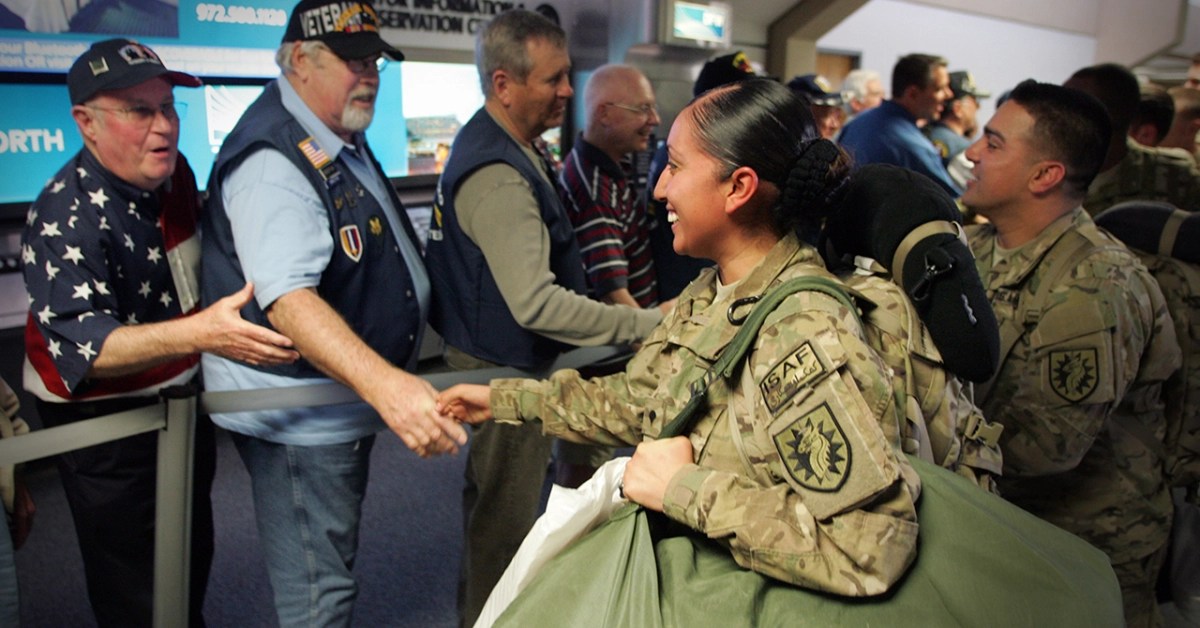
In this article, we will briefly explore seven practical ways to create supportive environments that prioritise veterans’ mental and emotional well-being, helping them recover and thrive.
1. Foster Open Communication
The first step in creating a supportive environment for veterans is fostering open communication. Many veterans may struggle to share their experiences due to stigma or fear of being misunderstood. Encouraging an atmosphere where they feel safe and comfortable discussing their feelings is crucial.
One way to foster communication is by organising veteran-specific support groups. These groups offer veterans the opportunity to share their stories with others who have been through similar experiences. Even informal conversations with family and friends can make a big difference. Ensuring that veterans know they have a judgement-free zone to express themselves can reduce feelings of isolation and help them process their trauma.
2. Provide Professional Support
Professional support is vital for veterans dealing with trauma, as trained specialists can offer guidance and care tailored to their needs. A Doctor of Social Work (DSW) degree equips professionals with the skills necessary to implement evidence-based practices and lead initiatives that positively impact veterans’ lives. This is why someone who has completed a Doctor of Social Work online programme is prepared to develop and apply innovative strategies that address social justice, policy reform, and leadership in the field of social work.
With a focus on policy advocacy and community leadership, individuals with a DSW degree are uniquely positioned to create systemic change that directly benefits veterans struggling with trauma.
Professional social workers are embedded within most Veterans Affairs (VA) departments, including primary care, the emergency department, mental health, rehabilitation units, community living centres, Vet Centres, and more. In fact, VA is the largest employer of social workers in the nation, totalling more than 18,000 strong.
3. Develop a Sense of Community
Creating a strong sense of community for veterans is essential for their mental and emotional health. Many veterans miss the camaraderie they experienced during their service, which can leave them feeling disconnected in civilian life. Rebuilding that sense of belonging through community-based activities can help reduce isolation and improve overall well-being.
One way to foster community is by organising events specifically for veterans. Local veteran organisations, recreational sports leagues, or even art therapy groups can offer veterans the chance to bond with others who share similar experiences. Additionally, integrating veterans into community volunteer work or social events can help them feel more connected and valued, both within veteran groups and in broader society.
4. Encourage Physical Activity
Physical activity is not only beneficial for physical health but also for emotional and mental well-being. For veterans dealing with trauma, regular exercise can be a powerful tool in managing symptoms like anxiety and depression. Physical activity releases endorphins, which help boost mood, reduce stress, and improve sleep – factors that are often negatively impacted by trauma.
Encouraging veterans to engage in physical activity tailored to their needs is important. Some veterans might enjoy low-impact exercises like walking or yoga, while others may prefer more intense activities such as running, resistance training, or adaptive sports. Community programmes that focus on physical fitness for veterans can provide structured, supportive environments where they can exercise alongside others who understand their struggles.
5. Promote Mental Health Resources
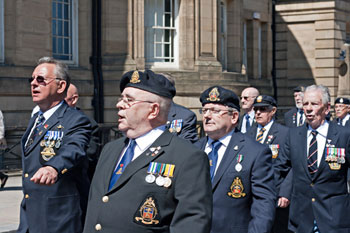
Access to mental health resources is critical for veterans struggling with trauma. Unfortunately, many veterans are either unaware of the mental health services available to them or feel apprehensive about seeking help. It is important to make these services accessible and to normalize mental health care within veteran communities.
Programs provided through the VA or local veteran centres offer counselling and therapy services that can greatly benefit veterans. Community organisations should work to raise awareness of these resources, while also providing access to telehealth options for veterans who may have difficulty traveling or prefer more private support. Ensuring veterans have multiple avenues to seek help creates a more supportive and accessible environment for them to address their trauma.
6. Educate Family and Friends
Educating family and friends about the trauma veterans may face is a critical component of creating a supportive environment. Many times, the people closest to veterans may not fully understand the complexities of PTSD, depression, or anxiety. This lack of understanding can inadvertently lead to frustration or strained relationships.
Offering educational resources, workshops, or seminars can help family members and friends better grasp what veterans are going through. This education enables them to approach their loved ones with greater empathy and patience. When family members are informed, they are more likely to create a nurturing home environment that encourages veterans to open up and heal, making it easier for veterans to share their feelings and feel supported in their everyday lives.
7. Create Safe and Calm Environments at Home
The home environment plays a significant role in a veteran’s emotional well-being. For those dealing with trauma, creating a calm, predictable, and safe space can make a profound difference. Veterans are often sensitive to noise, clutter, and other environmental stressors that can trigger anxiety or PTSD symptoms.
To foster a sense of safety, it is essential to keep the home environment organised and quiet. Reducing visual clutter can help create a space that feels more serene. Moreover, calming elements such as soft lighting, soothing colours, and even the use of relaxing scents, like lavender, can contribute to making the home feel like a retreat. This type of environment promotes relaxation, reduces stress, and helps veterans feel more grounded and secure in their space.
Summary
In summary, fostering supportive environments for veterans struggling with trauma involves a multifaceted approach that includes both personal and community efforts. From creating safe home spaces to advocating for veteran-friendly policies, it is about providing veterans with the tools and resources they need to heal and reintegrate. By prioritising their well-being, we help veterans not only cope with trauma but also regain control over their lives.


 Boot Camp & Military Fitness Institute