
Introduction
The transition from active duty to civilian life can be a tough one for veterans to navigate. Having undergone years of rigorous physical training in the service of their country, many veterans may now find themselves struggling to adapt outside of a structured military environment, especially when it comes to their health.
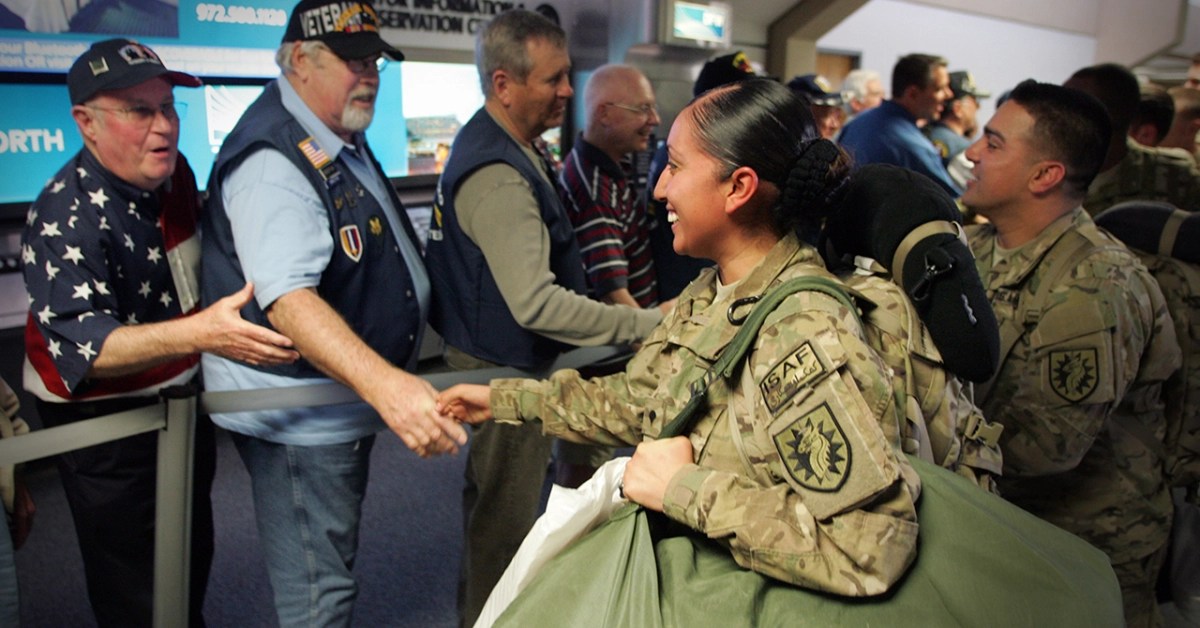
No longer in the line of duty, the physical demands of military life no longer apply, making it harder for many veterans to stay fit and healthy. According to findings by the US Department of Veteran Affairs, health is the primary concern for most veterans in the months after leaving military service – ranking above work or social relationships. To remedy this challenge, we have outlined three quick tips to help veterans remain healthy in body and mind when they transition from the military.
Play a Team Sport
Not only will a team sport help you stay active and fit but it can also bring back the camaraderie you once shared with the members of your military unit. If you live within a reasonable distance from your former squad members, consider setting up a regular sporting event where you get the opportunity to socialise while working out.
Whether you play with ex-military personnel or join a local sports group, there are numerous team activities to choose from such as soccer, volleyball, basketball, or pickleball, which is the fastest-growing sport in America. You can learn more about pickleball court dimensions by visiting this site.

You may even have been a member of the Military Pickleball Association. There are also Military Adaptive Court Sports (MACS) which provide “turn-key” 6-week Pickleball, Racquetball & Badminton instruction programmes tailored to the needs of veteran and active duty service members with visible and invisible injuries and their families.
Take Up a Hobby
Alongside a team sport, taking up a hobby can help to focus your mind on a pursuit that you enjoy and can inject a sense of meaning back into your life. If you enjoy the beauty and thrill of being in the great outdoors, the physical challenge and visual rewards of mountain biking, rock climbing, or surfing could be just the hobbies to get your pulse racing and your mind inspired.
Alternatively, creative hobbies such as dancing, gardening, cooking, or painting can reignite a spark within, helping you to pour your passions into something you love. No matter the hobby, finding something that you find personally fulfilling and enjoyable can be a great way to ease the transition back into civilian life.
Diet and Nutrition
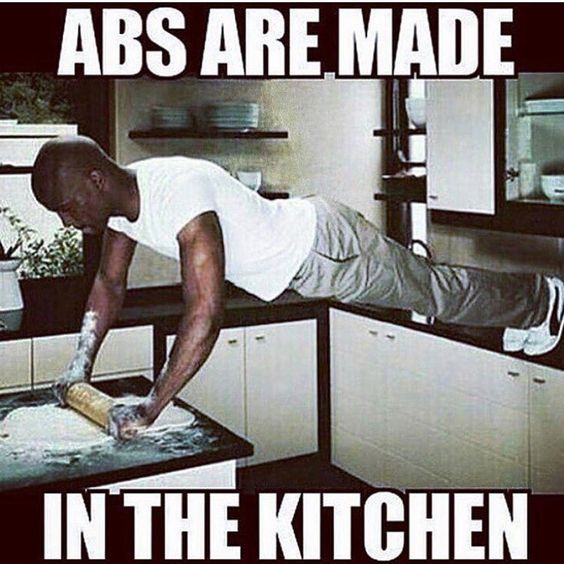
Now that you are no longer in the military you will no longer have access to the regimented meals you were once served. With a world of food options available to you now, it can be difficult to know where to get your vitamins and minerals and ensure you are consuming a balanced and nutritious diet. Taking time to learn about nutrition, through online research or a course, can help you to make healthier food choices and lifestyle habits.
Creating a meal plan can be a great way to ensure you are eating a healthy diet that includes plenty of fruits and vegetables, proteins, and healthy fats. This will also help you with portion control and avoiding sugary snacks and drinks which can cause weight gain.
Summary
By applying these tips, veterans can overcome the challenges of leaving active service with greater ease, enjoyment, and enthusiasm.


 Boot Camp & Military Fitness Institute